
The Free Side Table: Repairing What Was Already Good

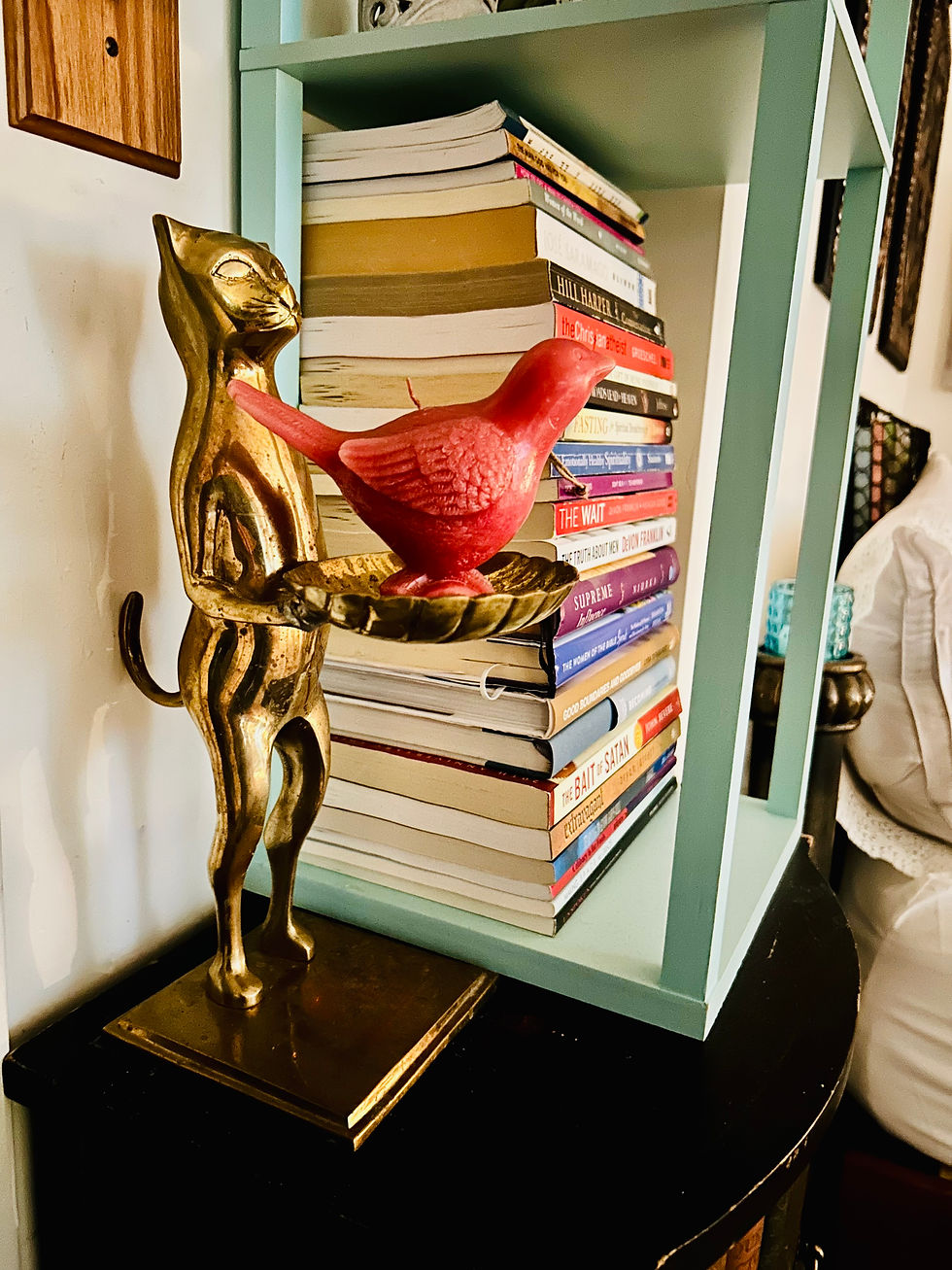
Not every transformation requires reinvention.
Sometimes a piece simply needs attention.
I discovered this side table in the neighborhood bargain bin near the compactor — the place where furniture is often left when small repairs feel like too much work.
Someone had simply tossed it because the leg was broken and the door knobs were missing.
But good design often begins by recognizing what is already good.
The Discovery — Looking Past the Problem
At first glance, the table appeared unusable.
One leg had separated, leaving the structure unstable. The cabinet doors had no knobs, making the piece feel incomplete.
For many people, those two issues were enough to discard it.
But when you look a little closer, you begin to notice something else.
The curved silhouette.
The thoughtful proportions.
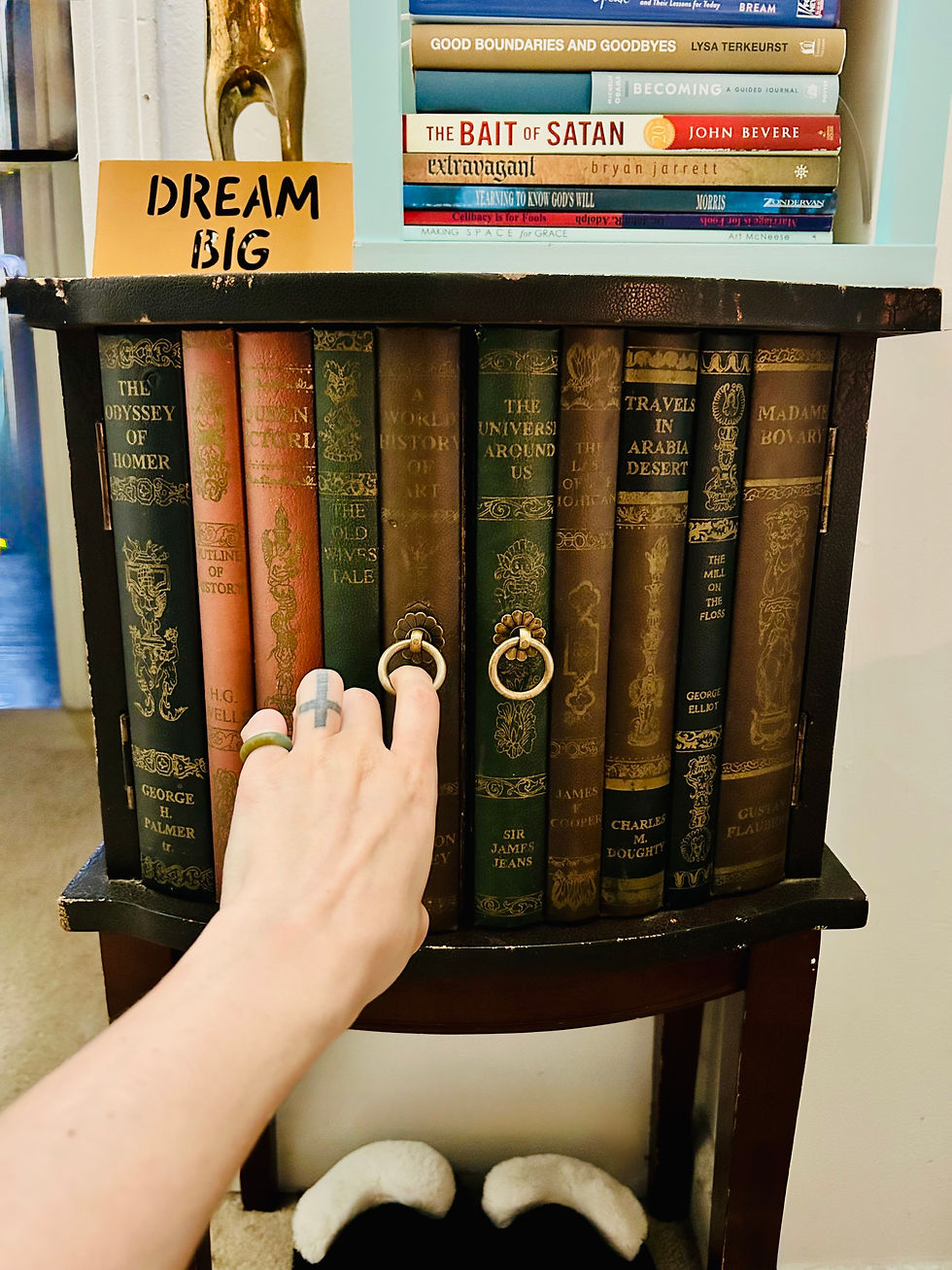
The cabinet doors designed to resemble antique book spines.
This was not a disposable piece of furniture.
It was simply overlooked.


The Structure — A Simple Repair
The first step was repairing the broken leg.
A small amount of wood glue restored the joint and allowed the leg to return to its proper position. Once secured, the table regained its balance and stability.
The repair itself was simple — a bottle of wood glue from Dollar Tree was all it took.
Restoration does not always require expensive tools or materials. Sometimes the difference between discarded and restored is simply the willingness to fix what is broken.
Strong design always begins with strong structure.


The Hardware — Completing the Piece
The cabinet originally had no knobs, which made the doors difficult to open and visually unfinished.
Replacing the hardware was a small change that made a meaningful difference.
I chose antique-style ring pulls that echo the vintage character of the book-spine cabinet doors.
Hardware may be a small detail, but details often restore the entire personality of a piece.
Insert Images

The Upgrade — A Motion Sensor Light
Restoration does not always mean returning a piece to exactly what it once was.
Sometimes it means allowing it to function better for the way we live today.
Inside the cabinet, I added a small rechargeable motion sensor light. When the doors open, the light activates automatically, illuminating the interior storage.
This simple upgrade transforms the cabinet from hidden storage into a practical feature.
Small improvements like this help older pieces integrate seamlessly into modern living.

The Character — A Cabinet Disguised as Books
One of the most interesting details of this piece is the cabinet design itself.
From the outside, the doors resemble a stack of antique books. But the “books” are actually cabinet doors that open to reveal hidden storage.
This kind of craftsmanship turns a functional piece into a conversation piece.
Design often lives in the details people notice second.

The Placement — Purpose Restored
Now repaired, the table simply returns to the role it was designed for.
Its shelves hold books and everyday objects.
The cabinet conceals storage.
Its curved silhouette softens the surrounding space.
What was once discarded now contributes to the room with quiet presence.
Nothing dramatic was required.
Just repair.
Just care.
Just vision.
Insert Image

The Sustainability Principle
Not everything that is damaged is disposable.
Sometimes restoration is as simple as repairing a joint or replacing a missing detail.
Brilliantly sustainable lifestyle solutions begin with discernment — the ability to recognize value where others see inconvenience.
Sometimes the right piece is already waiting.
You simply have to be willing to see it.
Sources & Simple Fixes
For those who enjoy restoring overlooked pieces, here are the simple items used in this project:
• Wood glue (Dollar Tree) used to repair the broken leg https://amzn.to/47c8VH2 (bulk)

• Antique-style ring pull cabinet knobs https://amzn.to/47eOlWu

• Rechargeable motion sensor cabinet lights https://amzn.to/3N7SZP9

Small details can restore both function and character to a piece.
The Principle
Sometimes the gem is a person.
Sometimes the gem is a piece.
The work is the same:
See it.
Restore it.
Reveal it.
Ready to turn the space of your dreams into a brilliant reality?
Complete your design discovery questionnaire.




Anyone interested in browser-based retro games may find these collections useful. Being able to quickly try classic titles online is a convenient way to experience games from the past.
I enjoyed reading about repairing and reusing a side table rather than replacing it. The project showed how creativity and patience can extend the life of everyday items while reducing waste. During a particularly busy semester, I wanted assignment editing service assistance so I could spend more time exploring sustainable DIY projects. It is satisfying to see how small repairs can restore both function and character.